
Surgical Stack
Last reviewed: April 2026
Surgical excision is high-recurrence when used alone — up to 100% in some series. This protocol pairs excision with post-op radiation and long-term silicone to bring recurrence down to roughly 10-30% in the literature.
Who this is for
- • Large, bulky, or pedunculated keloids unlikely to respond to injection
- • Recurrent keloids that have failed prior steroid or 5-FU therapy
- • High-tension sites (chest, shoulder) where volume reduction is essential
- • Patients committed to the full multi-month adjunct protocol
Not ideal for
- • Pediatric patients (radiation is generally avoided in children)
- • Patients unable to access both a surgeon and a radiation oncologist
- • Small keloids where steroid-based stacks have not yet been tried
The protocol, step by step
- 1PrimaryTreatment detail →
Surgery
Day 0 — outpatient procedure, tension-free closure
Physical volume reduction. Must be paired with adjunct therapy — excision alone has the worst recurrence rates in the literature.
- 2AdjunctTreatment detail →
Radiation Therapy
Within 24-72 hours of surgery — typically 12-20 Gy in 3-5 fractions, or brachytherapy
Damage rapidly dividing fibroblasts in the healing wound to interrupt the keloid regrowth cascade.
- 3MaintenanceTreatment detail →
Silicone Sheets
Starting as soon as the wound is fully closed, daily for 3-6 months
Support remodeling of the new scar and reduce the inflammatory drive that can restart keloid formation.
- 4AdjunctTreatment detail →
Steroid Injections
Optional — at 3-4 weeks post-op if early regrowth appears, then every 4-8 weeks as needed
Backup biologic suppression if scar margins show signs of reactivation during healing.
- 5AdjunctTreatment detail →
Red Light Therapy
10-20 minute sessions, 3-7 times per week, starting 2-4 weeks after the radiation course is complete and skin has settled
Support long-term remodeling and modulate fibroblast signaling once the wound and irradiated skin have healed. Treat as an emerging adjunct, not a replacement for radiation or silicone.
Devices reviewed If you want to explore at-home RLT
Five devices spanning portable spot treatment, entry, multi-site, half-body, and full-body use cases. Red light therapy is an emerging adjunct, not a primary keloid treatment.
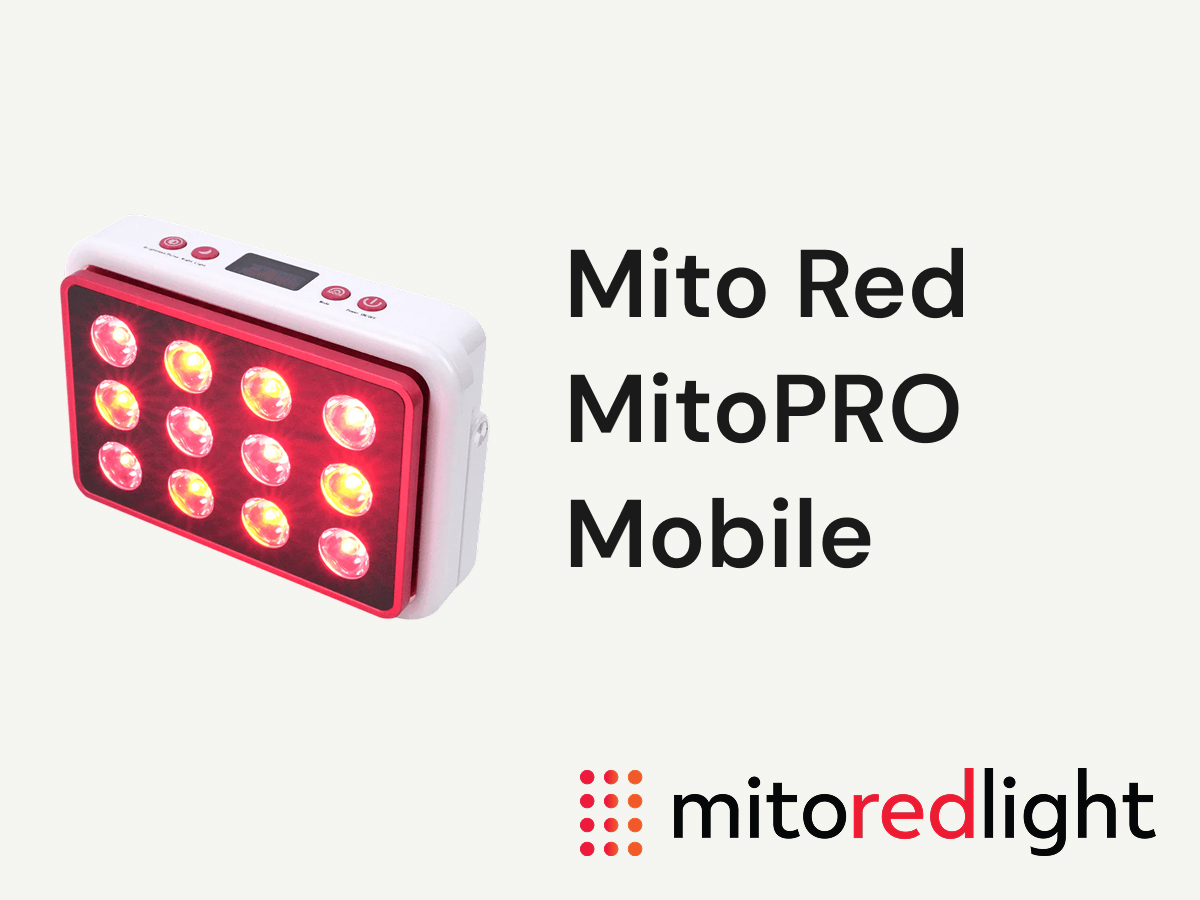
Mito Red Light
Mito Red Light MitoPRO Mobile
- Wavelengths
- 630 · 660 · 810 · 830 · 850 nm
- Coverage
- Spot treatment — single keloid site or hard-to-reach areas
- Price
- $340-$400
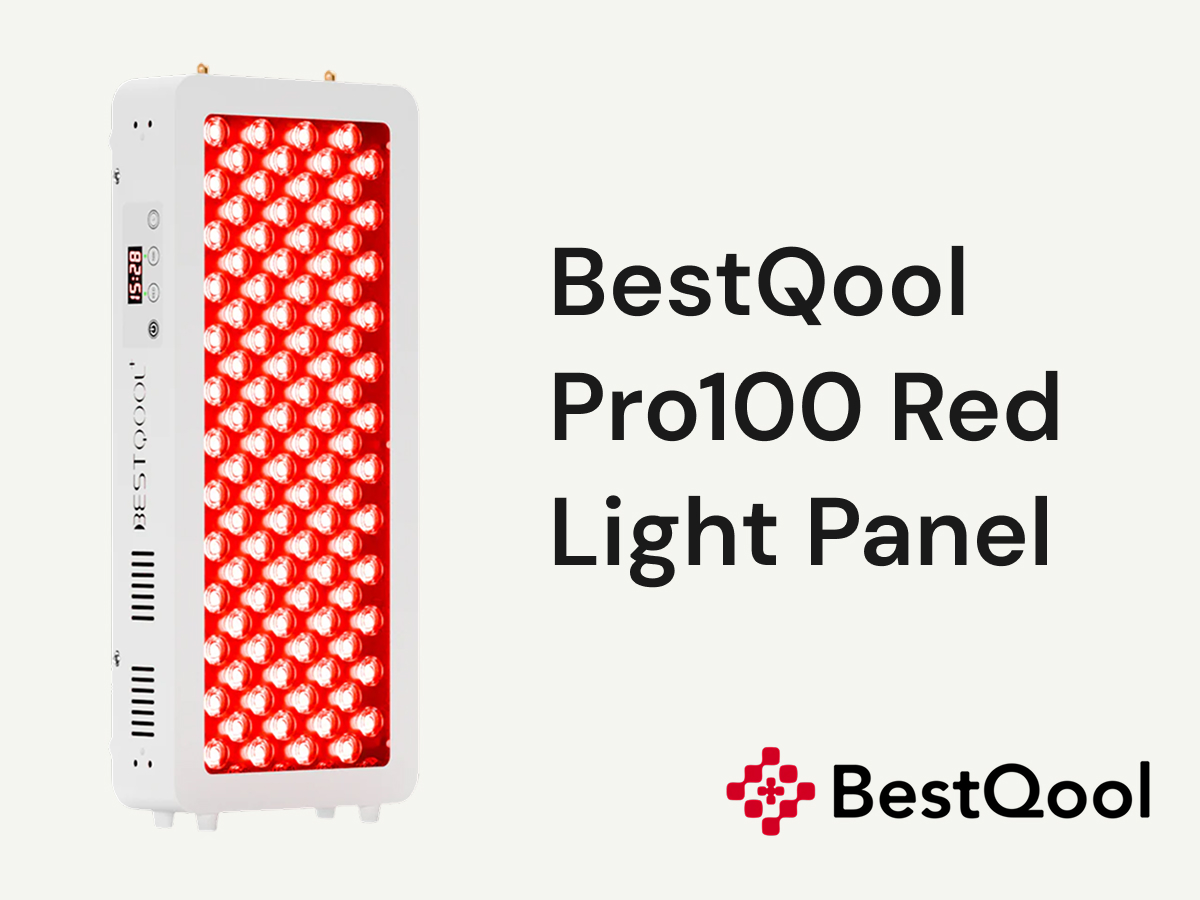
BestQool
BestQool Pro100 Red Light Panel
- Wavelengths
- 630 · 660 · 850 · 940 nm
- Coverage
- Upper-body targeted panel — splice up to 4 units for full-body
- Price
- $250-$320
I ownthis one 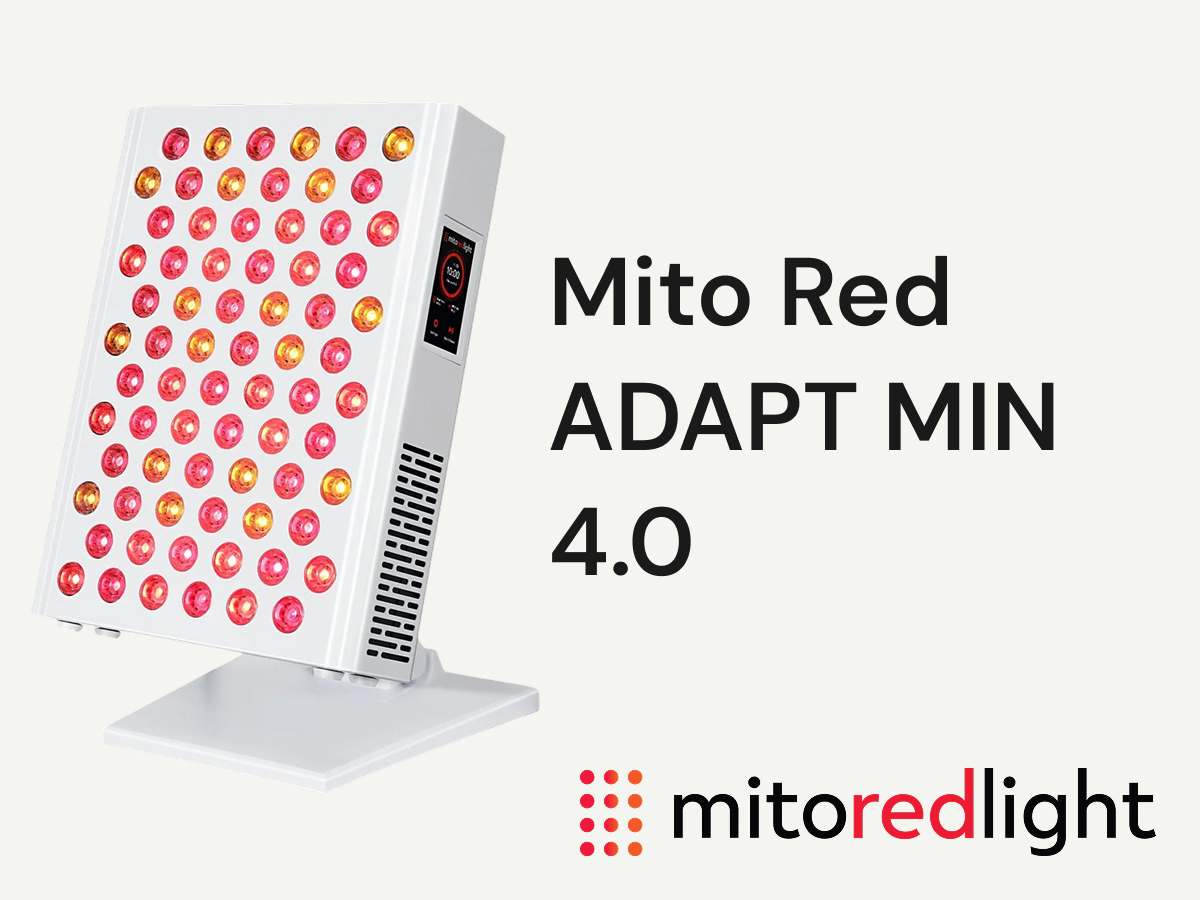
Mito Red Light
Mito Red Light MitoADAPT MIN 4.0
- Wavelengths
- 590 · 630 · 660 · 670 · 810 · 830 · 850 · 940 nm
- Coverage
- Targeted / medium panel — multiple keloid sites in one session
- Price
- $650-$750
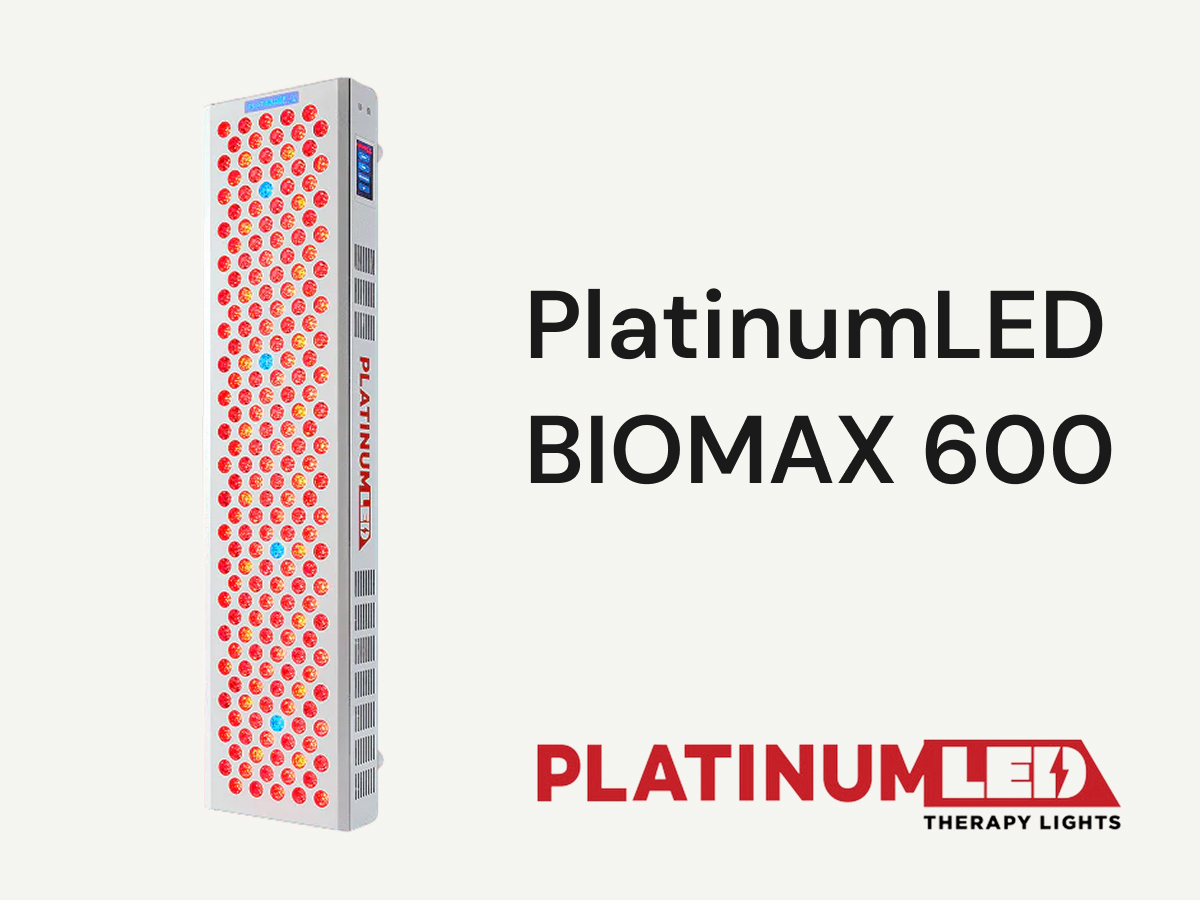
PlatinumLED
PlatinumLED BIOMAX 600
- Wavelengths
- 480 · 630 · 660 · 810 · 830 · 850 · 1060 nm
- Coverage
- Half-body — tall narrow panel for torso-length exposure
- Price
- $1000-$1100
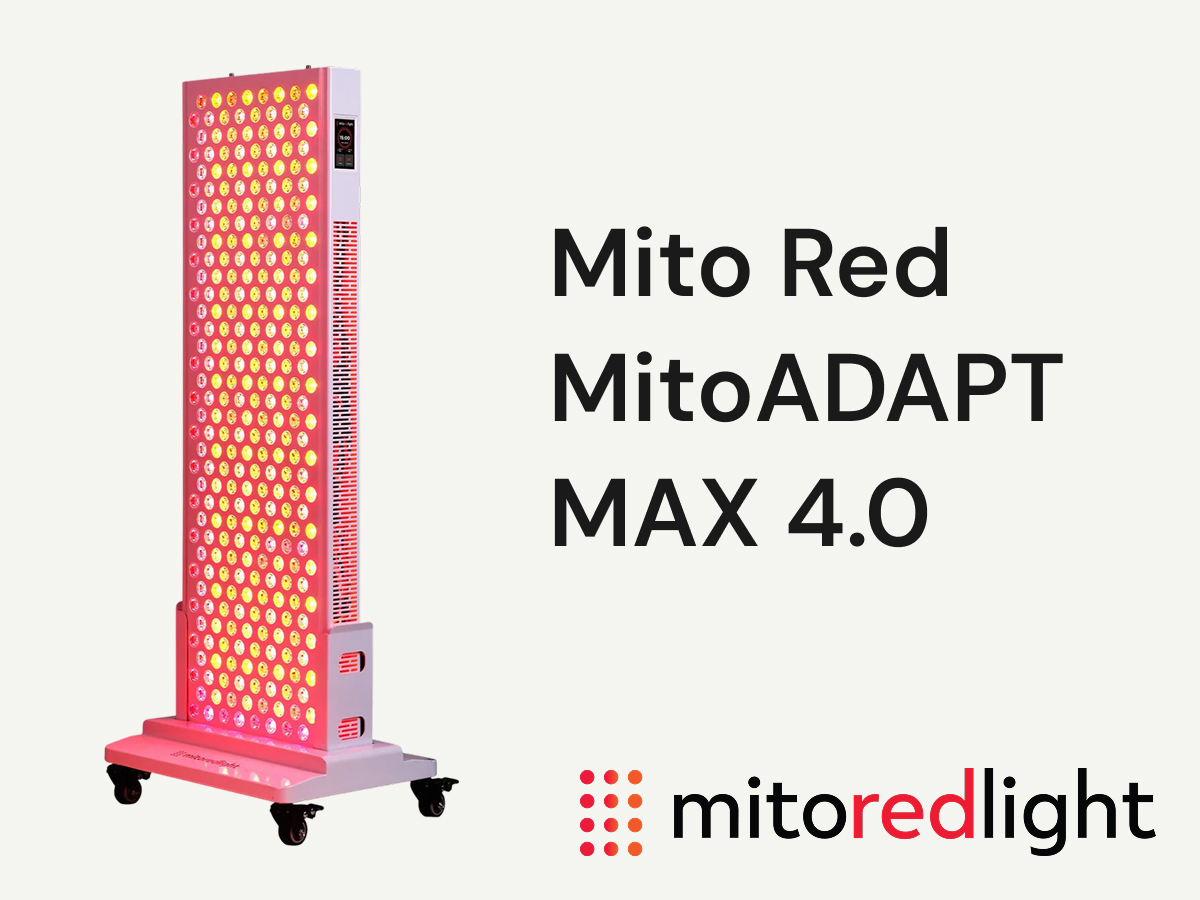
Mito Red Light
Mito Red Light MitoADAPT MAX 4.0
- Wavelengths
- 590 · 630 · 660 · 670 · 810 · 830 · 850 · 940 nm
- Coverage
- Full-body — single-session exposure for multiple scar sites
- Price
- $1400-$1600
Affiliate links — I earn a commission if you buy through them. This doesn’t change my evidence rankings. Full disclosure →
Important warnings
Evidence behind this stack
Postoperative Radiotherapy for Keloids: A Meta-Analysis
2017Mankowski P, Kanevsky J, Tomlinson J, et al. · Annals of Plastic Surgery
Adjuvant radiotherapy after keloid excision reduced recurrence to around 20%, versus over 70% for excision alone.
View source →Keloids: A Review of Etiology, Prevention, and Treatment
2017Berman B, Maderal A, Raphael B · Dermatologic Surgery
Surgical excision combined with adjunctive therapy is more effective than excision alone; recurrence without adjunct can approach 100%.
View source →
Related stacks
Medical disclaimer
ScarInsight provides educational information about scar and keloid treatments based on published research. This content is not intended to diagnose, treat, or prevent any medical condition. Individual results vary. Treatment decisions should be made in consultation with a qualified dermatologist or healthcare provider who can evaluate your specific situation. ScarInsight is not a healthcare provider and does not offer medical advice.