Steroid-resistant Stack
Last reviewed: April 2026
For keloids that have plateaued after 2-3 steroid sessions. Combines cryotherapy to soften dense scar tissue, adds 5-fluorouracil for its complementary mechanism, and keeps silicone as maintenance.
Who this is for
- • Keloids that have not responded to 2-3 rounds of steroid monotherapy
- • Patients whose skin has shown steroid-related atrophy or pigment change
- • Small to medium keloids with dense fibrotic tissue
Not ideal for
- • Pregnancy or bone marrow suppression (contraindicates 5-FU)
- • Very large keloids — discuss the surgical stack instead
- • Patients who cannot tolerate cryotherapy discomfort
The protocol, step by step
- 1PrimaryTreatment detail →
Cryotherapy
Contact cryotherapy immediately before injection, every 3-4 weeks for 3-6 sessions
Soften dense scar tissue so injected medication disperses more evenly — the cryo-assisted technique.
- 2PrimaryTreatment detail →
5-FU Injection
Injected at each cryo session, often as a 9:1 5-FU-to-triamcinolone mix
Add antimetabolite effect on fibroblasts; lower steroid-related side effects compared to steroid alone.
- 3AdjunctTreatment detail →
Silicone Sheets
Daily between sessions for the full treatment course
Maintain softening effects between clinic visits and support ongoing remodeling.
- 4AdjunctTreatment detail →
Red Light Therapy
10-20 minute sessions, 3-7 times per week, on non-injection days
Modulate fibroblast and inflammatory signaling between clinic visits. Treat as an emerging adjunct, not a primary therapy.
Devices reviewed If you want to explore at-home RLT
Five devices spanning portable spot treatment, entry, multi-site, half-body, and full-body use cases. Red light therapy is an emerging adjunct, not a primary keloid treatment.
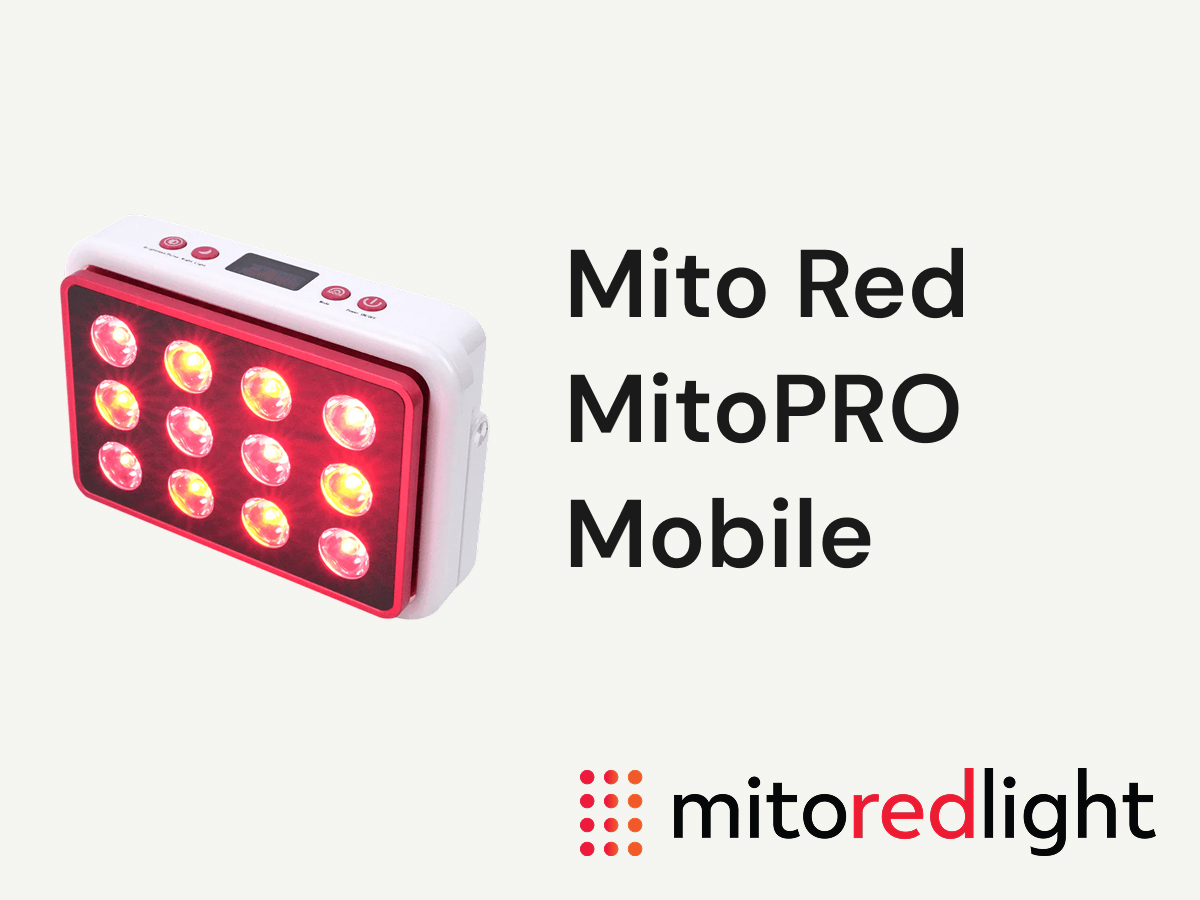
Mito Red Light
Mito Red Light MitoPRO Mobile
- Wavelengths
- 630 · 660 · 810 · 830 · 850 nm
- Coverage
- Spot treatment — single keloid site or hard-to-reach areas
- Price
- $340-$400
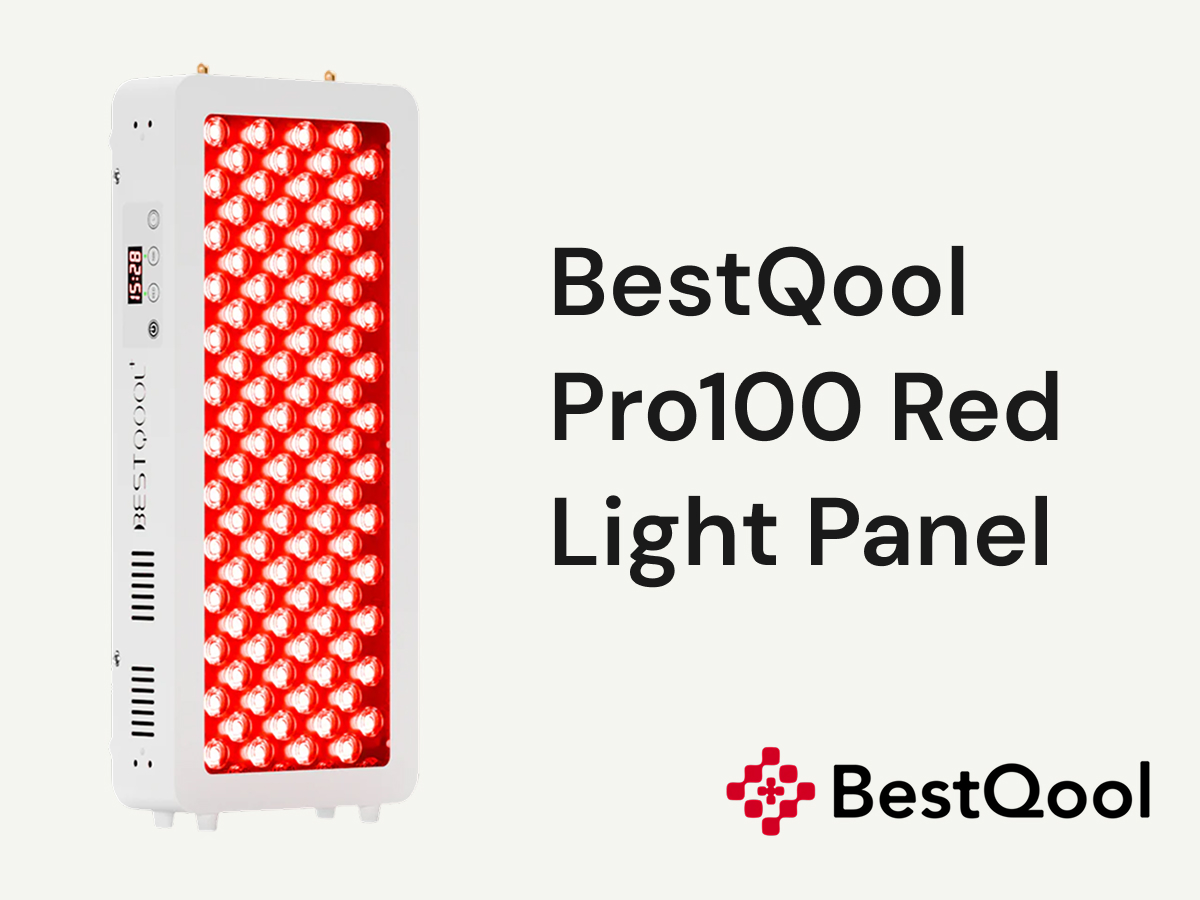
BestQool
BestQool Pro100 Red Light Panel
- Wavelengths
- 630 · 660 · 850 · 940 nm
- Coverage
- Upper-body targeted panel — splice up to 4 units for full-body
- Price
- $250-$320
I ownthis one 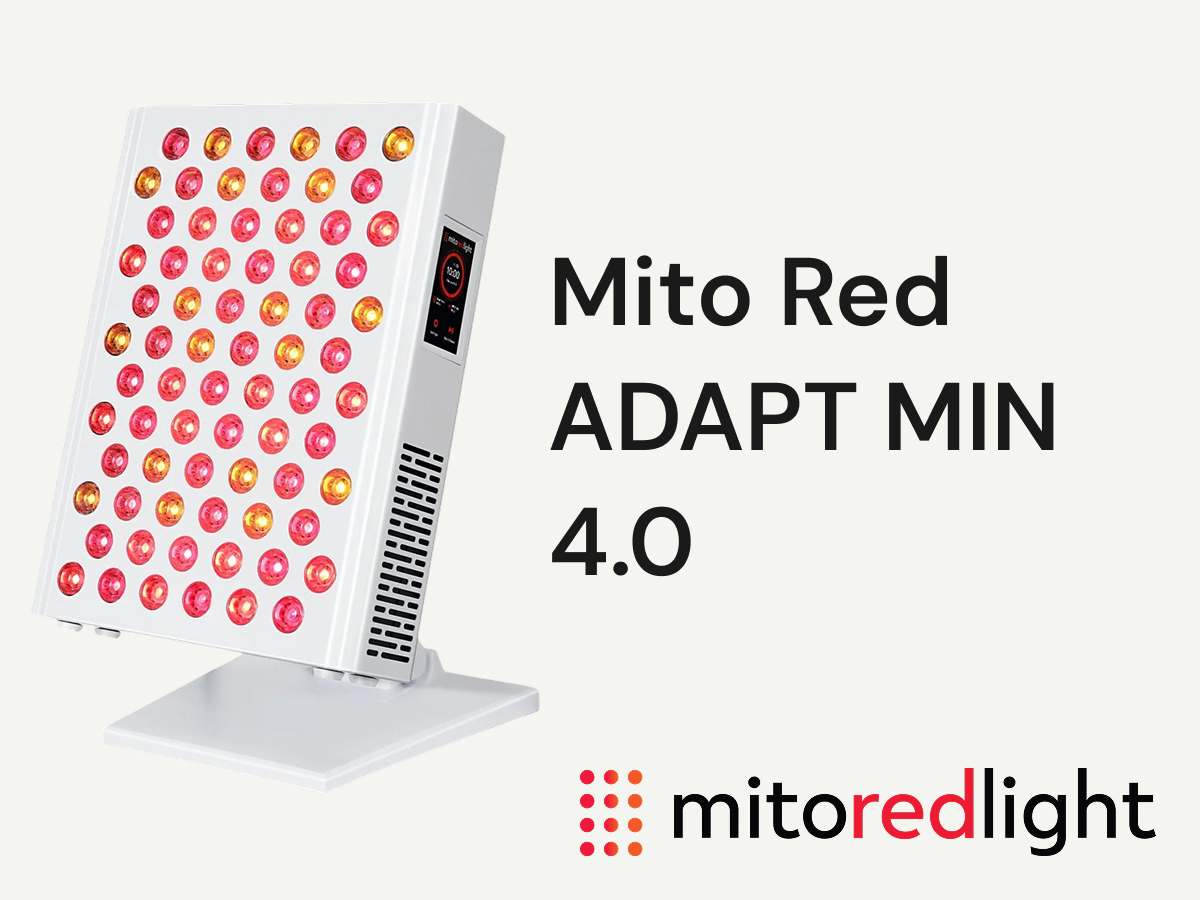
Mito Red Light
Mito Red Light MitoADAPT MIN 4.0
- Wavelengths
- 590 · 630 · 660 · 670 · 810 · 830 · 850 · 940 nm
- Coverage
- Targeted / medium panel — multiple keloid sites in one session
- Price
- $650-$750
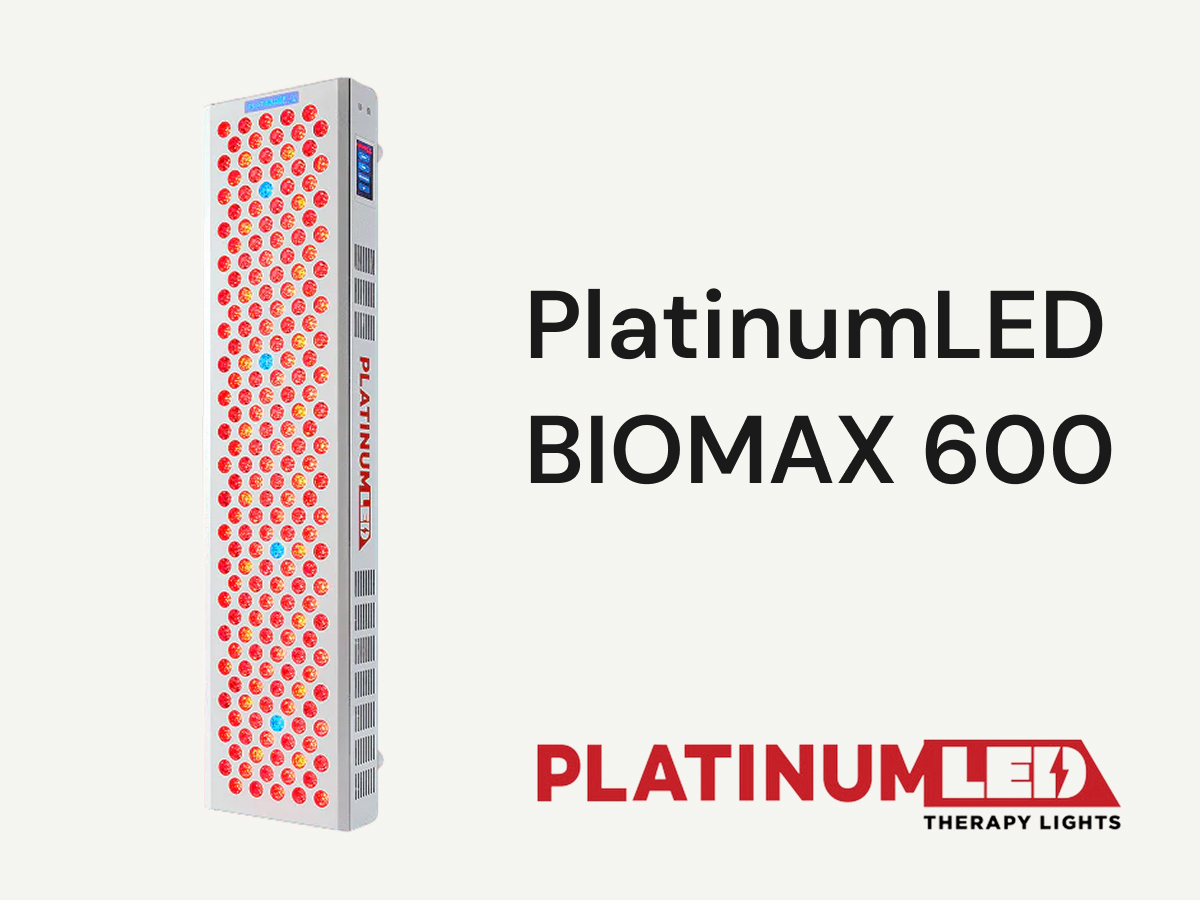
PlatinumLED
PlatinumLED BIOMAX 600
- Wavelengths
- 480 · 630 · 660 · 810 · 830 · 850 · 1060 nm
- Coverage
- Half-body — tall narrow panel for torso-length exposure
- Price
- $1000-$1100
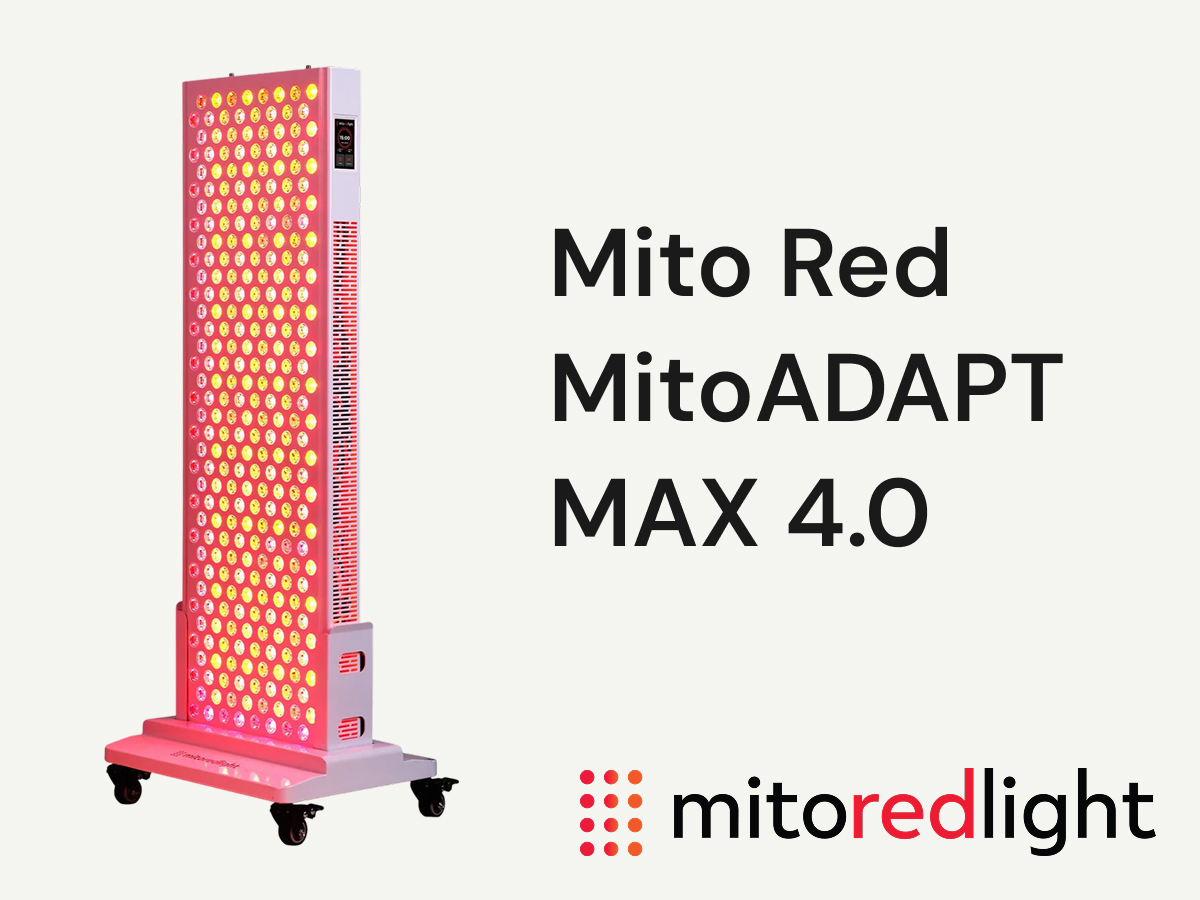
Mito Red Light
Mito Red Light MitoADAPT MAX 4.0
- Wavelengths
- 590 · 630 · 660 · 670 · 810 · 830 · 850 · 940 nm
- Coverage
- Full-body — single-session exposure for multiple scar sites
- Price
- $1400-$1600
Affiliate links — I earn a commission if you buy through them. This doesn’t change my evidence rankings. Full disclosure →
Important warnings
Evidence behind this stack
Intralesional 5-Fluorouracil for Keloids and Hypertrophic Scars: A Review
2016Shah VV, Aldahan AS, Mlacker S, et al. · Dermatologic Surgery
5-FU alone or combined with steroid reduced scar volume and symptoms across multiple trials.
View source →Comparison of Cryotherapy Plus Intralesional Steroid vs Steroid Alone for Keloids
2001Yosipovitch G, Widijanti Sugeng M, Goon A, et al. · Journal of the European Academy of Dermatology and Venereology
Combination cryotherapy plus triamcinolone produced greater scar volume reduction than steroid injection alone.
View source →
Related stacks
Medical disclaimer
ScarInsight provides educational information about scar and keloid treatments based on published research. This content is not intended to diagnose, treat, or prevent any medical condition. Individual results vary. Treatment decisions should be made in consultation with a qualified dermatologist or healthcare provider who can evaluate your specific situation. ScarInsight is not a healthcare provider and does not offer medical advice.