First-line Clinical Stack
Last reviewed: April 2026
The most commonly recommended starting protocol for established keloids. Pairs intralesional steroid injections with silicone-based maintenance and an optional home adjunct.
Who this is for
- • Small to medium established keloids
- • Ear keloids (lobe and cartilage)
- • Symptomatic keloids (itching, tenderness)
- • Patients with specialist access who have not yet tried clinical therapy
Not ideal for
- • Very large or pedunculated keloids better addressed by excision
- • Recurrent keloids that have already failed steroid injections
- • Patients without dermatologist access (use non-invasive stack instead)
The protocol, step by step
- 1PrimaryTreatment detail →
Steroid Injections
Every 4-8 weeks for 3-6 sessions
Suppress fibroblast activity and inflammation inside the scar. This is the workhorse of the stack.
- 2AdjunctTreatment detail →
Silicone Sheets
Daily, 12-24 hours per day, starting between injection sessions
Maintain softness and moisture between clinic visits; support flattening.
- 3MaintenanceTreatment detail →
Red Light Therapy
Optional — 10-20 minute home sessions, 3-7 times per week
Low-risk home adjunct to support the clinical protocol during the multi-month timeline.
Devices reviewed If you want to explore at-home RLT
Five devices spanning portable spot treatment, entry, multi-site, half-body, and full-body use cases. Red light therapy is an emerging adjunct, not a primary keloid treatment.
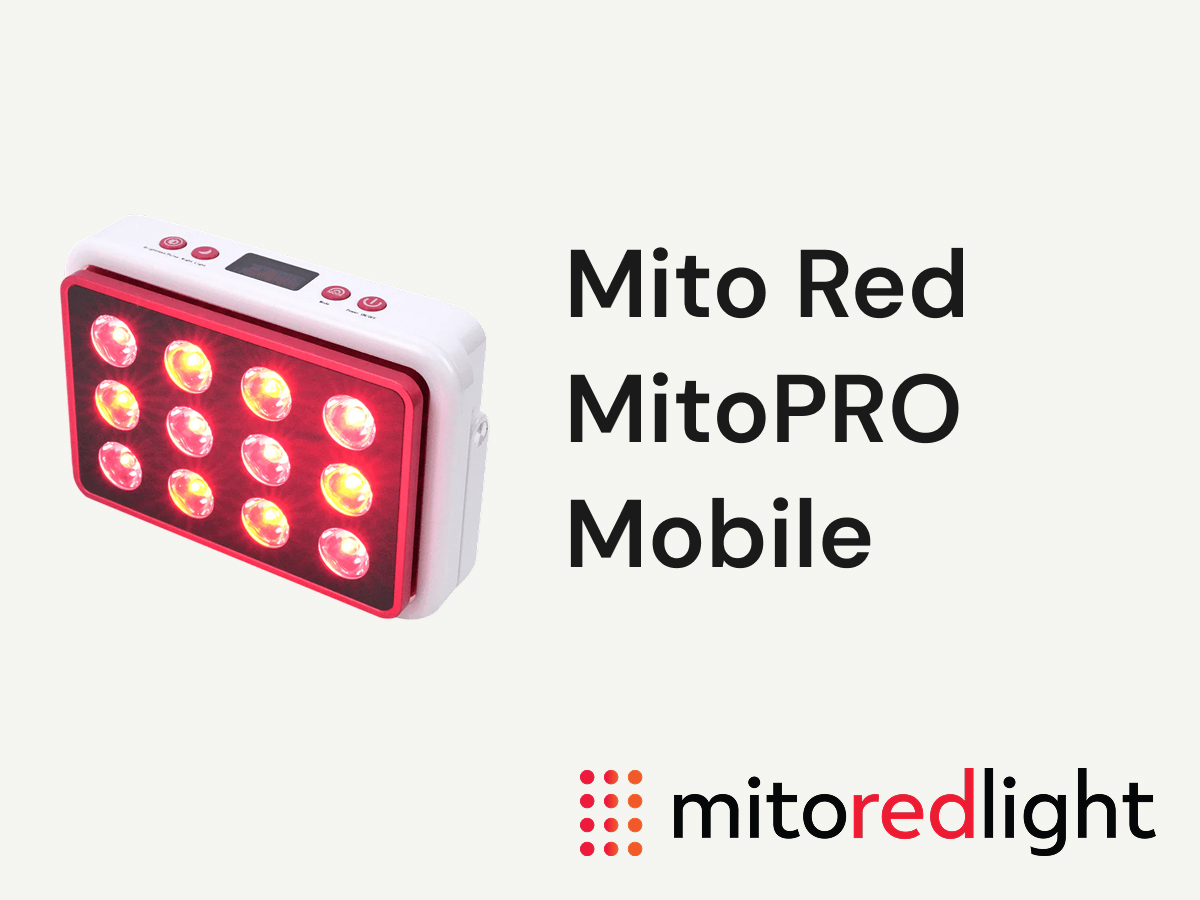
Mito Red Light
Mito Red Light MitoPRO Mobile
- Wavelengths
- 630 · 660 · 810 · 830 · 850 nm
- Coverage
- Spot treatment — single keloid site or hard-to-reach areas
- Price
- $340-$400
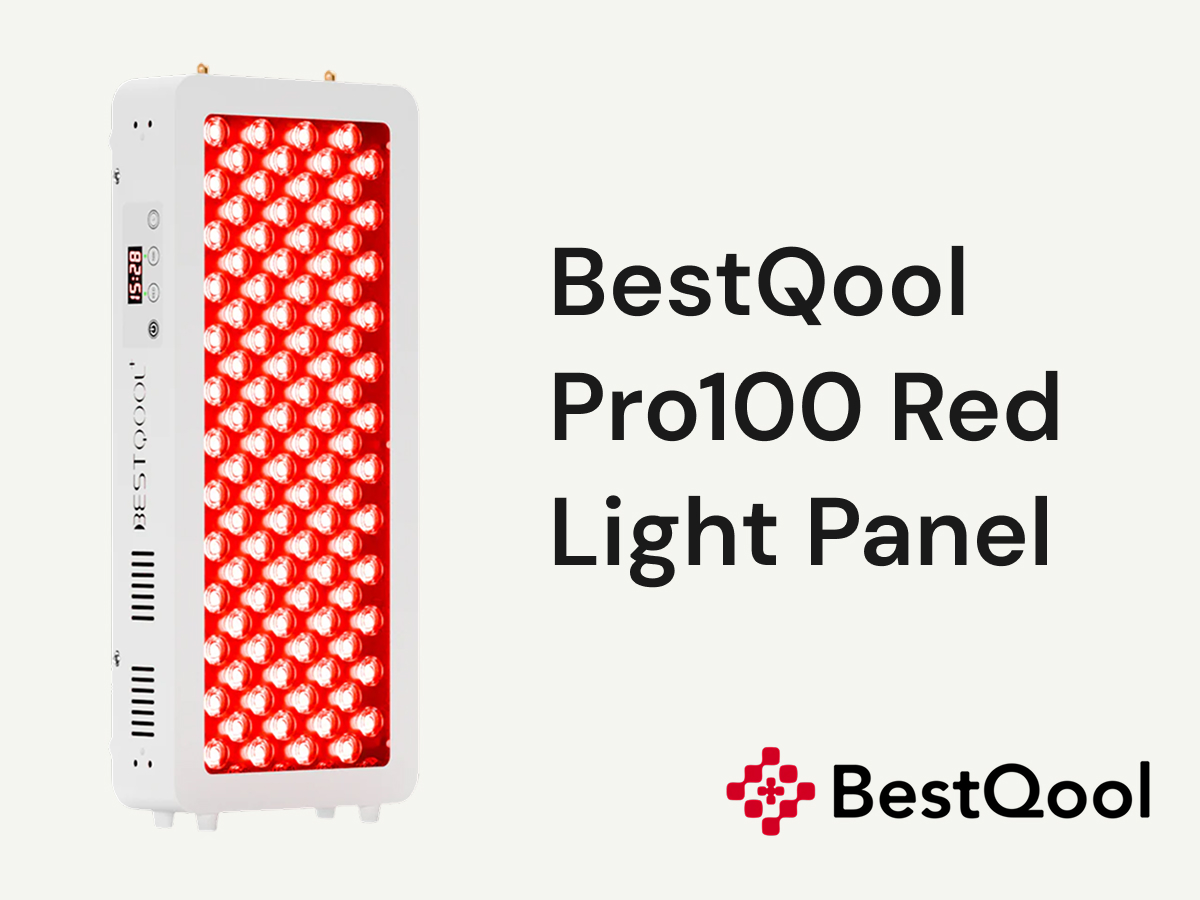
BestQool
BestQool Pro100 Red Light Panel
- Wavelengths
- 630 · 660 · 850 · 940 nm
- Coverage
- Upper-body targeted panel — splice up to 4 units for full-body
- Price
- $250-$320
I ownthis one 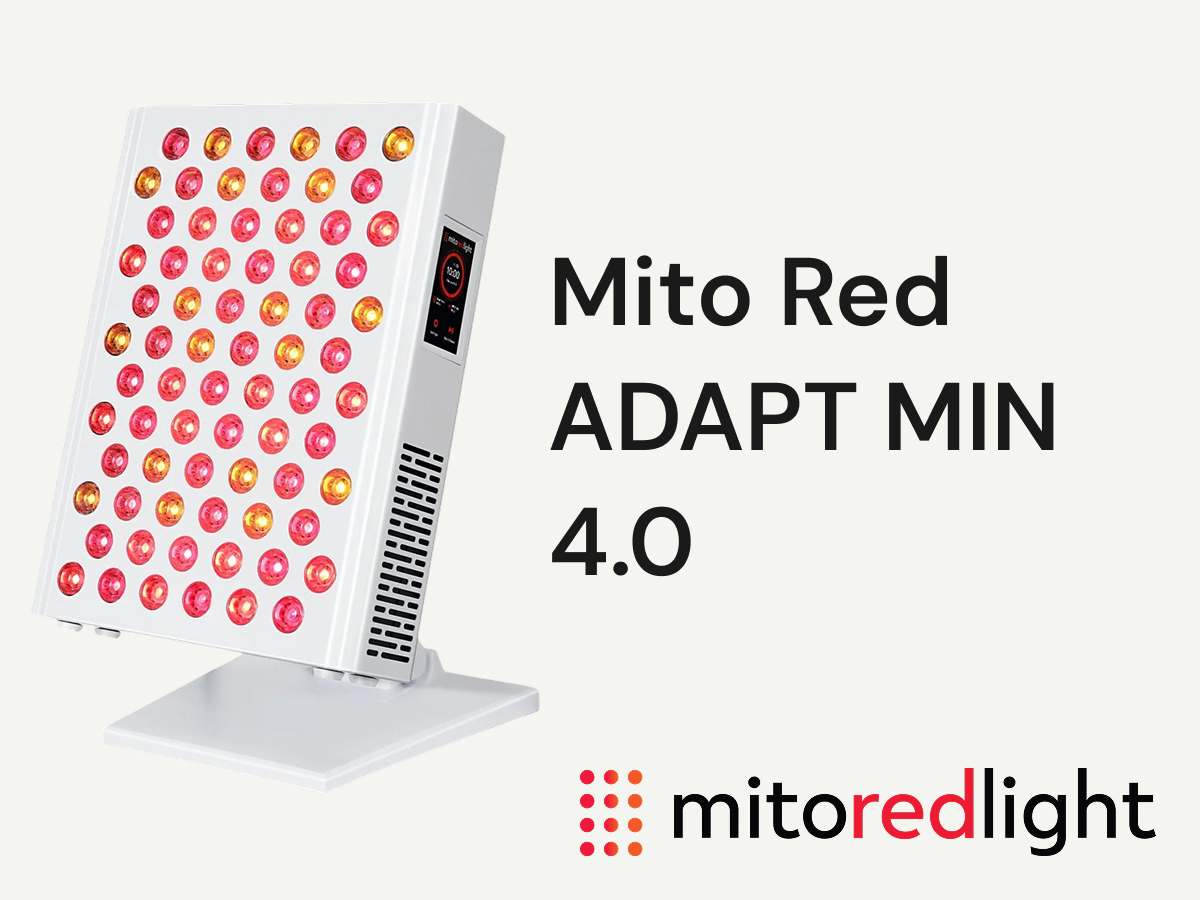
Mito Red Light
Mito Red Light MitoADAPT MIN 4.0
- Wavelengths
- 590 · 630 · 660 · 670 · 810 · 830 · 850 · 940 nm
- Coverage
- Targeted / medium panel — multiple keloid sites in one session
- Price
- $650-$750
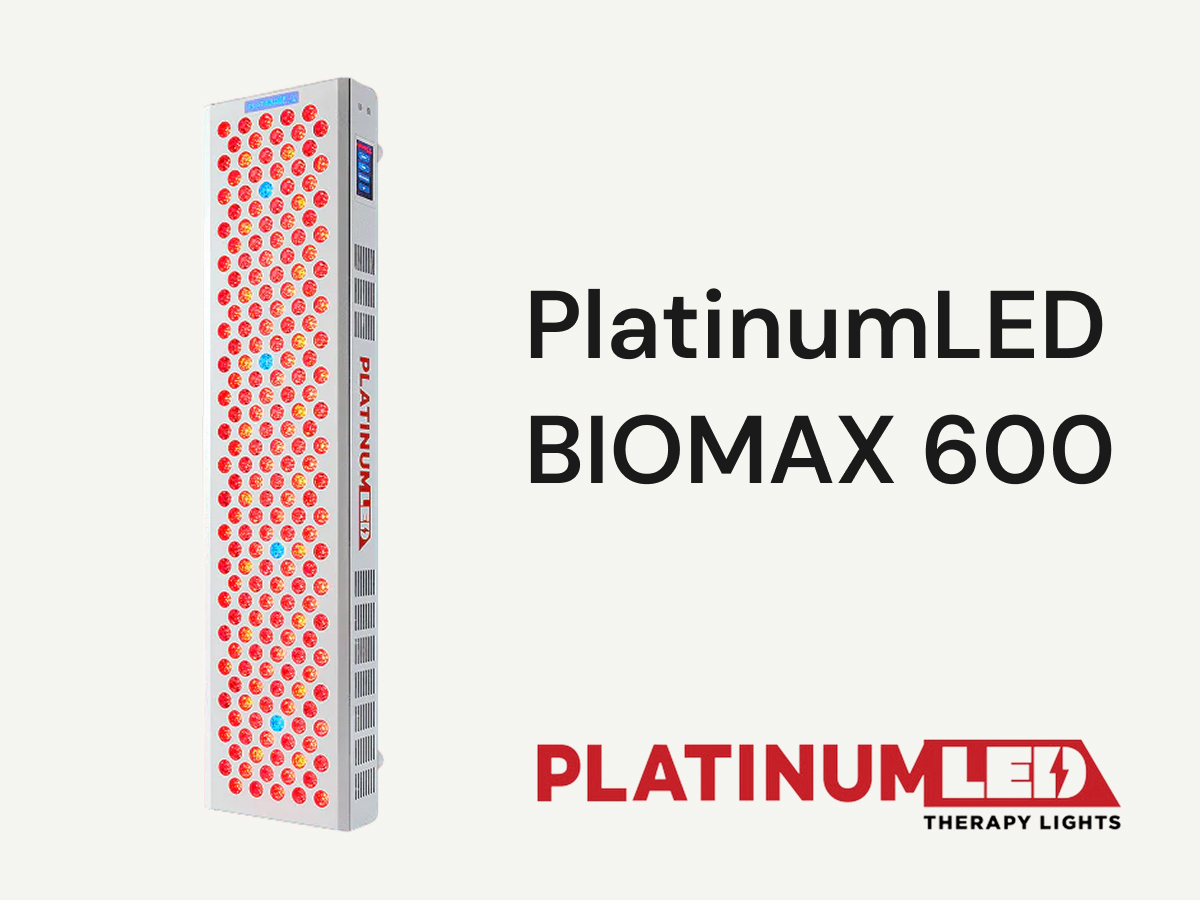
PlatinumLED
PlatinumLED BIOMAX 600
- Wavelengths
- 480 · 630 · 660 · 810 · 830 · 850 · 1060 nm
- Coverage
- Half-body — tall narrow panel for torso-length exposure
- Price
- $1000-$1100
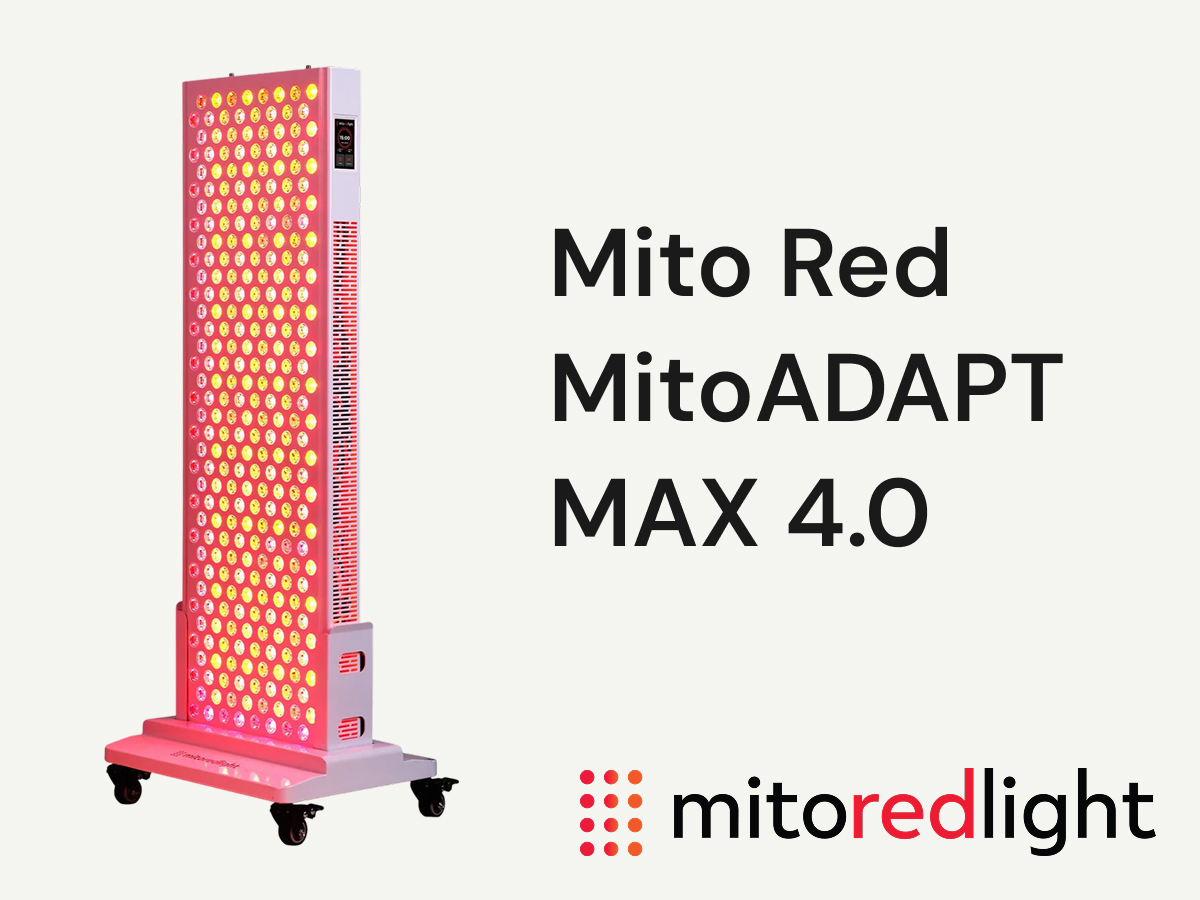
Mito Red Light
Mito Red Light MitoADAPT MAX 4.0
- Wavelengths
- 590 · 630 · 660 · 670 · 810 · 830 · 850 · 940 nm
- Coverage
- Full-body — single-session exposure for multiple scar sites
- Price
- $1400-$1600
Affiliate links — I earn a commission if you buy through them. This doesn’t change my evidence rankings. Full disclosure →
Important warnings
Evidence behind this stack
Updated International Clinical Recommendations on Scar Management
2014Gold MH, Berman B, Clementoni MT, et al. · Dermatologic Surgery
Intralesional corticosteroid is recommended as a first-line option for keloid management.
View source →Keloid and Hypertrophic Scars: A Review
2022Ogawa R · Plastic and Reconstructive Surgery
Triamcinolone remains a foundational therapy; combination protocols yield better long-term control than monotherapy.
View source →
Related stacks
Medical disclaimer
ScarInsight provides educational information about scar and keloid treatments based on published research. This content is not intended to diagnose, treat, or prevent any medical condition. Individual results vary. Treatment decisions should be made in consultation with a qualified dermatologist or healthcare provider who can evaluate your specific situation. ScarInsight is not a healthcare provider and does not offer medical advice.