
Lower Body Keloids
Hips, thighs, and buttocks are common sites for post-surgical and friction-related keloids.
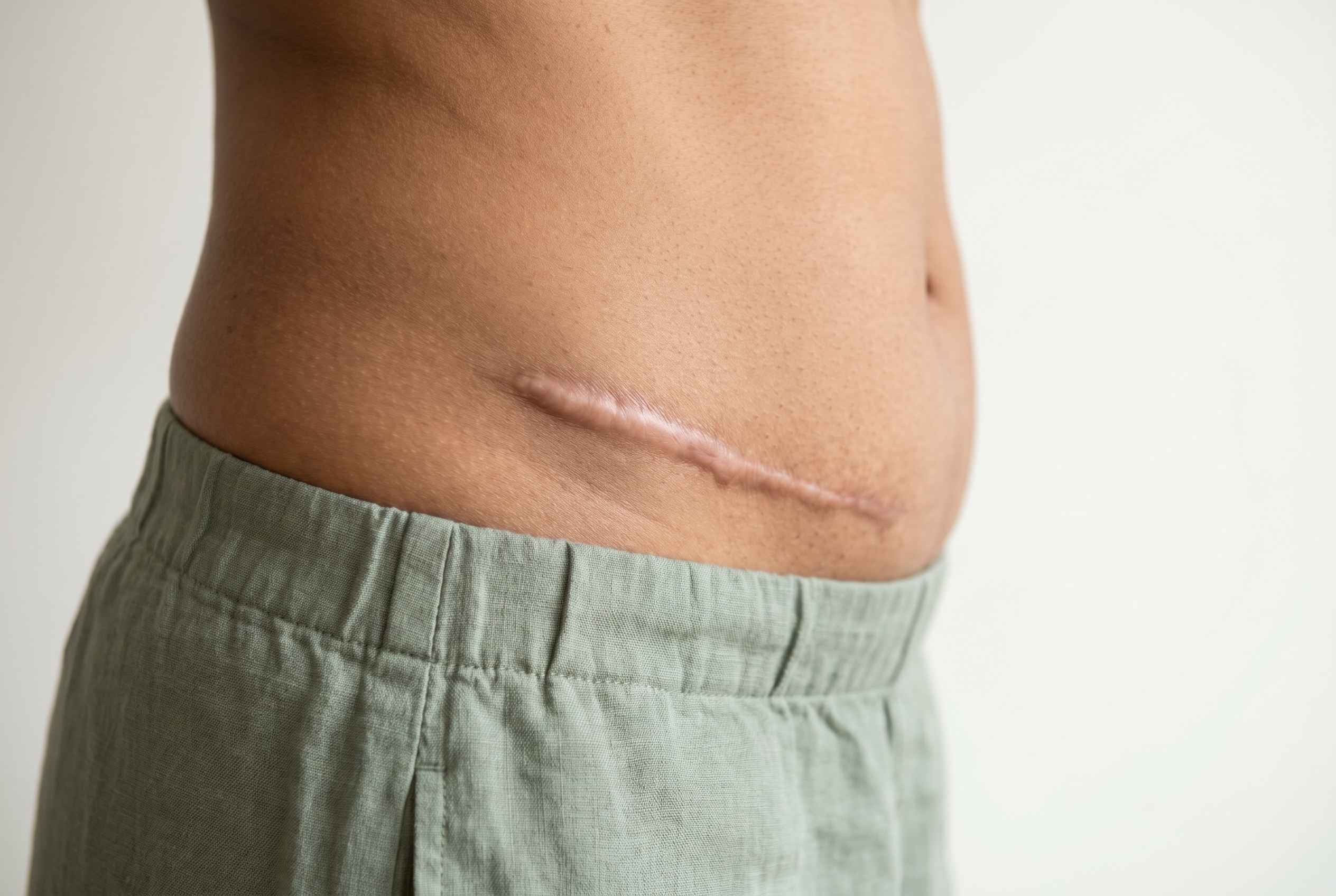
Why this site is prone to keloids
The lower body is a high-incidence site for post-surgical and friction-induced keloids. On the front, thighs and hips experience scars from hip replacements, c-sections extending laterally, and chronic friction from clothing. On the back, the buttocks and sacral region are common post-injection and post-surgical sites. Both regions sit under constant mechanical loading from walking, sitting, and posture, which disrupts orderly collagen remodeling.
- Common post-surgical site (hip replacement, c-section, spinal surgery).
- Persistent mechanical loading from walking and sitting.
- Waistbands, belts, and seams create ongoing friction.
Dermatologists often combine multiple modalities for site-specific keloids. Review each approach on its own page before discussing with a clinician.
- Silicone SheetsSelf-applied silicone sheets or gels worn over developing or existing scars. One of the most widely recommended first-line topical options for scar prevention and management.Read more →
- Steroid InjectionsDirect injection of corticosteroid (usually triamcinolone acetonide) into keloid tissue to flatten and soften the scar. Considered first-line for many keloid presentations.Read more →
- Pressure TherapySustained mechanical pressure delivered to the scar through custom garments, silicone discs, or spring-loaded ear clips. One of the oldest evidence-based interventions in scar medicine — pressure therapy is a backbone treatment for burn-related hypertrophic scars and a standard adjunct for ear keloids after excision, where it consistently lowers recurrence compared with surgery alone.Read more →
- Red Light TherapyLow-level red (around 630-660 nm) and near-infrared (around 810-850 nm) light delivered at home with LED panels. Painless, non-invasive, and layer-safe — it complements virtually any keloid protocol and carries a second, well-documented benefit set for general skin health.Read more →
Red-light and near-infrared devices matched to the anatomy and coverage needs of this region. Read each review before purchase.
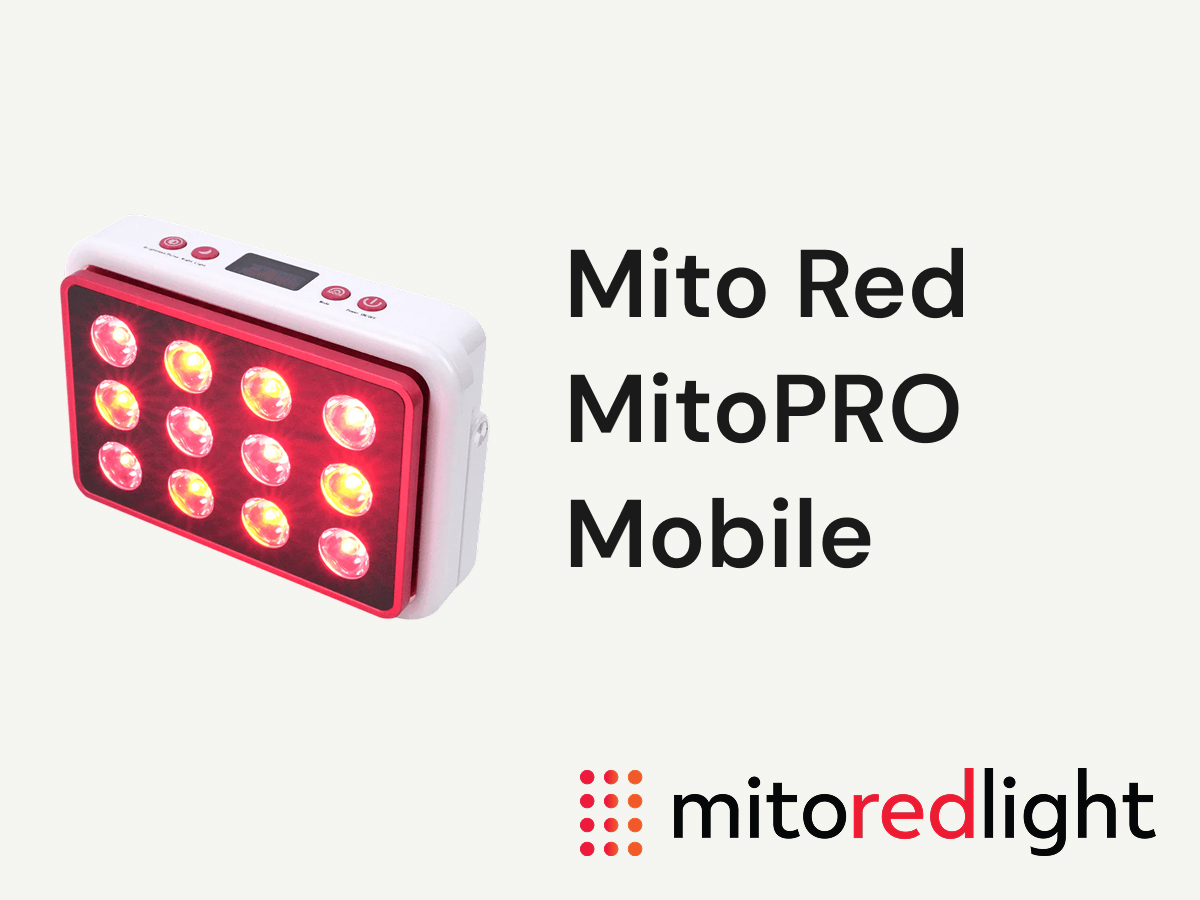
Mito Red Light MitoPRO Mobile
Five-wavelength output (630, 660, 810, 830, 850 nm) covers the research-backed core for keloid photobiomodulation in a portable form factor. TruDual dual-chip technology delivers 100 mW/cm² at 3 inches (solar meter) / 40 mW/cm² (spectroradiometer) — high for a handheld at 1.5 lbs. Best suited for earlobe, jawline, and other small or hard-to-reach keloid sites where a panel is impractical.
- Coverage
- Spot treatment — single keloid site or hard-to-reach areas
- Wavelengths
- 630 · 660 · 810 · 830 · 850 nm
- Warranty
- 2 years
Disclosure: Some links on this page are affiliate links. If you purchase through these links, ScarInsight may earn a commission at no additional cost to you. This does not influence our editorial ratings or recommendations.
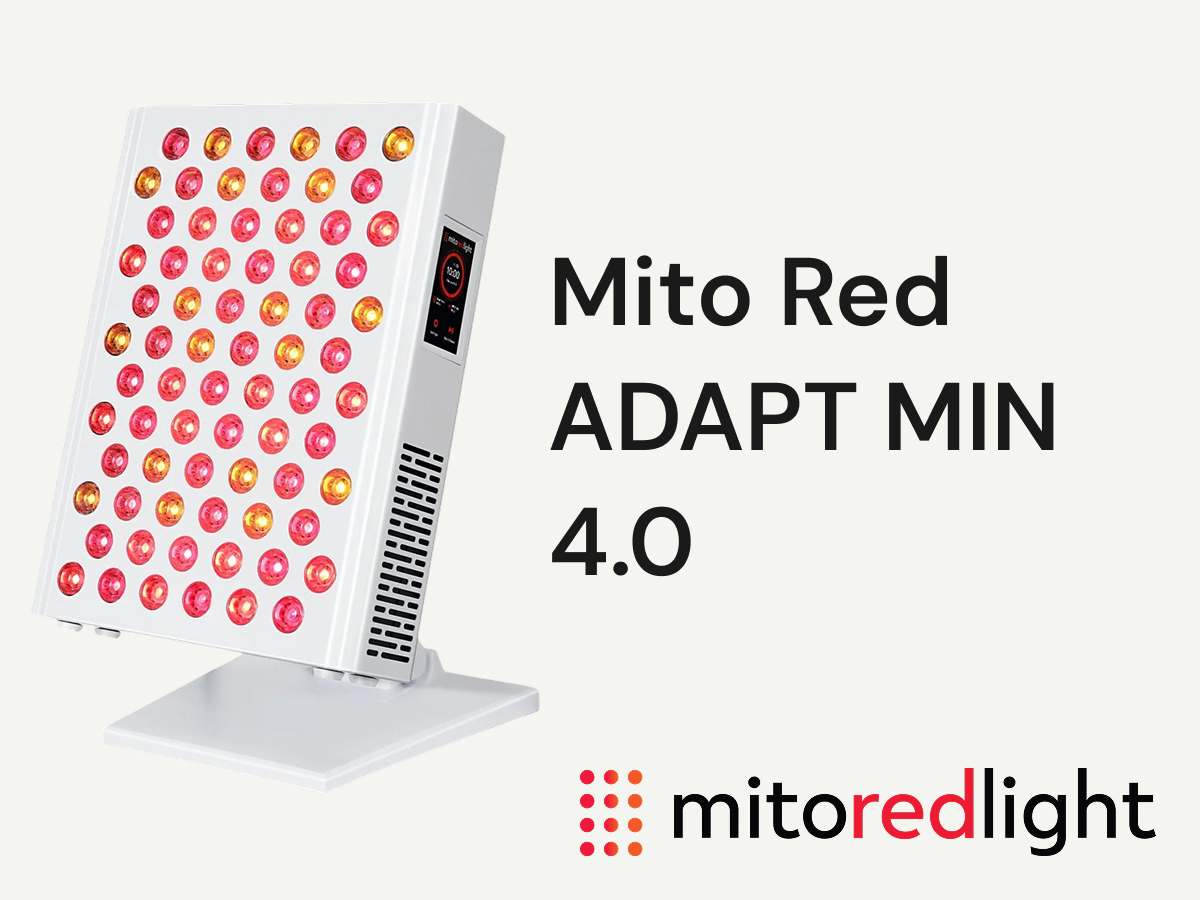
Mito Red Light MitoADAPT MIN 4.0
Eight-wavelength output (590, 630, 660, 670, 810, 830, 850, 940 nm) covers every band studied for photobiomodulation of scar tissue, with patent-pending TruDual circuit architecture delivering 11 selectable combinations at full irradiance. The 630-850 nm core aligns with published keloid and hypertrophic scar research; the 590 nm amber band adds a surface-level inflammation option.
- Coverage
- Targeted / medium panel — multiple keloid sites in one session
- Wavelengths
- 590 · 630 · 660 · 670 · 810 · 830 · 850 · 940 nm
- Warranty
- 3 years
Disclosure: Some links on this page are affiliate links. If you purchase through these links, ScarInsight may earn a commission at no additional cost to you. This does not influence our editorial ratings or recommendations.
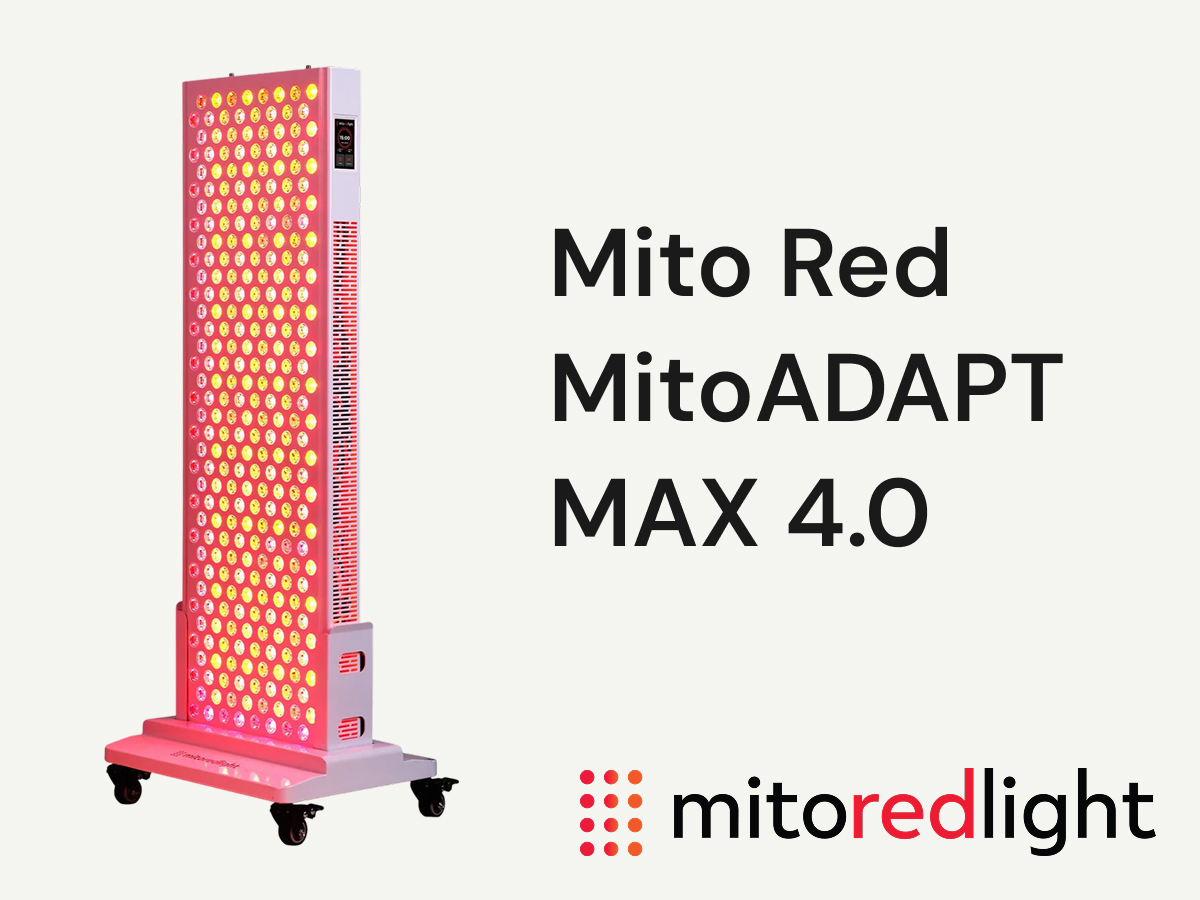
Mito Red Light MitoADAPT MAX 4.0
Eight-wavelength output (590, 630, 660, 670, 810, 830, 850, 940 nm) covers every band most relevant to keloid and hypertrophic scar research, scaled to full-body coverage. Patent-pending TruDual circuit architecture with 8 independent circuits delivers 11 selectable wavelength combinations at full irradiance. Best suited for people with multiple or widespread keloid sites who want single-session coverage.
- Coverage
- Full-body — single-session exposure for multiple scar sites
- Wavelengths
- 590 · 630 · 660 · 670 · 810 · 830 · 850 · 940 nm
- Warranty
- 3 years
Disclosure: Some links on this page are affiliate links. If you purchase through these links, ScarInsight may earn a commission at no additional cost to you. This does not influence our editorial ratings or recommendations.
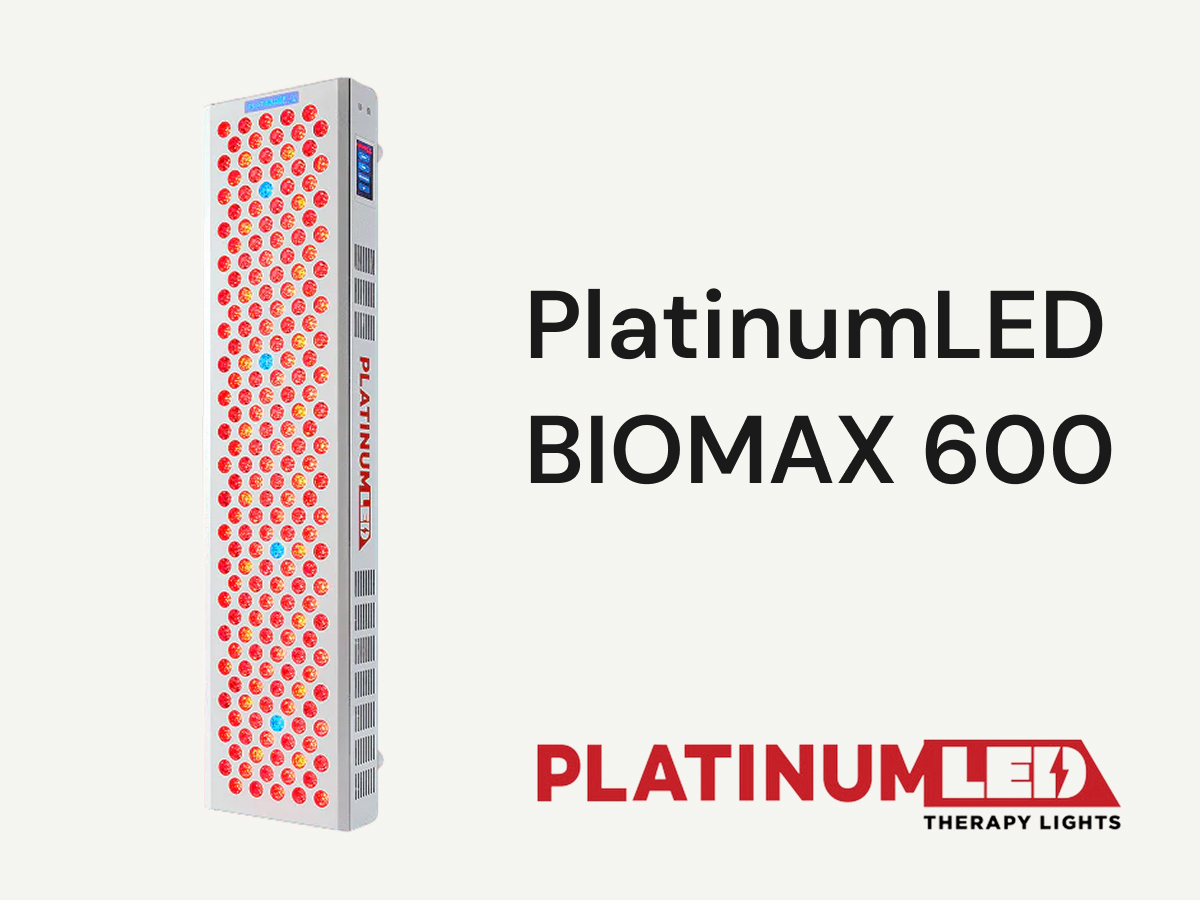
PlatinumLED BIOMAX 600
Seven-wavelength R+|NIR+ spectrum (480, 630, 660, 810, 830, 850, 1060 nm) covers the 630-850 nm research-backed core plus boundary wavelengths. Half-body form factor sits between the targeted MitoADAPT MIN and the full-body MitoADAPT MAX. Best case for inclusion: brand diversity and independently-controllable red/NIR arrays.
- Coverage
- Half-body — tall narrow panel for torso-length exposure
- Wavelengths
- 480 · 630 · 660 · 810 · 830 · 850 · 1060 nm
- Warranty
- 3 years
Disclosure: Some links on this page are affiliate links. If you purchase through these links, ScarInsight may earn a commission at no additional cost to you. This does not influence our editorial ratings or recommendations.
Medical disclaimer
ScarInsight provides educational information about scar and keloid treatments based on published research. This content is not intended to diagnose, treat, or prevent any medical condition. Individual results vary. Treatment decisions should be made in consultation with a qualified dermatologist or healthcare provider who can evaluate your specific situation. ScarInsight is not a healthcare provider and does not offer medical advice.